
buy double glazed units
Dimensionering av regleringsventiler enligt standard Regleringsventiler är avgörande komponenter i många industriella processer. De används för att kontrollera flödet av vätskor och gaser, och deras dimensionering är viktig för att säkerställa effektiviteten och säkerheten i systemen. En standardiserad metod för dimensionering av regleringsventiler är nödvändig för att uppnå konsekventa och pålitliga resultat. I denna artikel kommer vi att utforska betydelsen av standarder för dimensionering av regleringsventiler och de faktorer som bör beaktas vid val av rätt ventil. Betydelsen av standarder Standarder för dimensionering av regleringsventiler hjälper ingenjörer och tekniker att välja rätt ventil för specifika applikationer. Dessa standarder kan innefatta allt från dimensioneringsmetoder till specifikationer för material och märkning. Genom att följa en standard kan man minimera risken för felaktiga val som kan leda till ineffektiv drift eller till och med katastrofer i produktionsprocesser. Grundläggande dimensioneringsmetoder Det finns flera metoder för att dimensionera regleringsventiler, men två av de mest använda är 1. Flödesberäkning En grundläggande aspekt av dimensioneringen är att beräkna det önskade flödet genom ventilen. Detta innebär att man måste veta både den maximala och minimala flödeshastigheten, samt tryckfall och de vätske eller gasparametrar som gäller för systemet. Flödesberäkningen ger en tydlig bild av vilken storlek och typ av ventil som bäst lämpar sig för applikationen. 2. K-värde K-värdet är en parameter som används för att definiera ventils prestanda. Det representerar flödet av en vätska vid ett angivet tryckfall. Genom att använda K-värdet kan tekniker beräkna hur effektivt ventilen kommer att kontrollera flödet i systemet. Det är viktigt att välja en ventil med ett K-värde som matchar systemets krav för att säkerställa optimal funktion. control valve sizing standard Faktorer att beakta vid val av ventil Att dimensionera en regleringsventil går bortom bara flödesberäkningar. Här är några faktorer som också bör beaktas - Medietyp Vätskor och gaser har olika egenskaper, som viskositet och densitet, som påverkar val av ventil. Det är viktigt att ta hänsyn till dessa egenskaper vid dimensionering för att säkerställa korrekt funktion. - Temperatur och tryck Arbetstemperaturen och trycket i systemet påverkar valet av material och ventiltyp. Ventiler måste vara konstruerade för att klara av de förhållanden de kommer att utsättas för. - Regleringsbehov Hur noggrant flödet måste kontrolleras är en annan kritisk faktor. Vissa applikationer kan kräva finjustering, medan andra kanske bara behöver grov kontroll. - Installation och underhåll Dimensioneringen bör också ta hänsyn till installationskrav och underhållsfrekvens. Vissa ventiltyper är enklare att installera och underhålla än andra, vilket kan påverka det totala systemets kostnad och effektivitet. Slutsats Dimensionering av regleringsventiler enligt standard är en avgörande process som kräver noggrant övervägande av flera faktorer. Genom att följa standardiserade metoder och beakta de olika aspekterna av systemets drift kan ingenjörer säkerställa att de väljer rätt ventil för applikationen. Detta leder till ökad effektivitet, säkerhet och tillförlitlighet i industriella processer. Att investera tid och resurser i korrekt dimensionering av regleringsventiler är en investering i den övergripande framgången för verksamheten.
about
buy double glazed units
Understanding Control Valves A Focus on 1-2 Inch Models Control valves play a critical role in various industries, acting as the regulatory devices that modulate fluid flow and pressure within closed systems. Their proper functioning is essential for safe operations in sectors such as oil and gas, water treatment, and manufacturing. In this article, we will delve into the specifics of control valves, particularly focusing on the 1-2 inch models, discussing their construction, applications, and maintenance. What is a Control Valve? A control valve is a device that regulates the flow of a fluid by varying the size of the flow passage as directed by a signal from a controller. The actuator responds to the control signal to adjust the valve opening, influencing the flow rate and pressure of the fluid passing through it. Common types of control valves include globe valves, ball valves, butterfly valves, and diaphragm valves, each offering unique benefits depending on the application. Sizes and Specifications Control valves come in various sizes, with the 1-2 inch range being particularly versatile. These compact valves are ideal for many applications, including HVAC systems, irrigation, and various chemical processing environments. The one-inch models typically handle flow rates from 10 to 60 gallons per minute, while two-inch models can accommodate much higher flow rates, making them suitable for larger systems. When selecting a control valve, it is crucial to consider factors such as the fluid type, temperature, pressure conditions, and flow characteristics. The valve must be capable of handling the specific conditions to ensure operational efficiency and longevity. Applications of 1-2 Inch Control Valves 1. Water and Wastewater Management In municipal and industrial water treatment plants, 1-2 inch control valves are used to regulate the flow of treated water and the discharge of wastewater. By ensuring optimal flow rates, they help in maintaining the effectiveness of purification processes. 2. Chemical Processing The chemical industry often uses control valves to manage the precise flow of reactants . For processes requiring strict adherence to flow rates, the 1-2 inch range offers precise control without taking up valuable space in the facility. control valve 1 2 inch 3. HVAC Systems In heating, ventilation, and air conditioning (HVAC) systems, control valves help maintain desired environmental conditions by regulating the flow of air and refrigerants, ensuring energy efficiency and comfort. 4. Agricultural Applications Farmers utilize these control valves in irrigation systems to manage the flow of water to crops, optimizing water usage and improving yield. Maintenance of Control Valves Proper maintenance of 1-2 inch control valves is essential to ensure their efficient and reliable operation. Here are several key maintenance practices - Regular Inspections Periodically check for leaks, corrosion, and wear. Regular inspections will help identify potential issues before they lead to valve failure. - Calibration Ensure that the control system accurately reflects the valve position. Calibration is essential for maintaining desired flow rates and pressure controls. - Actuator Maintenance The actuator, responsible for opening and closing the valve, should be regularly inspected and maintained to prevent failure that could disrupt operations. - Cleaning Accumulation of debris can affect valve performance. Regular cleaning, depending on the fluid characteristics, can help maintain optimal functionality. Conclusion Control valves, especially those in the 1-2 inch range, are vital components in the regulation of fluid systems across various industries. Their ability to manage flow rates and pressure levels directly impacts operational efficiency and safety. By understanding their design, applications, and the importance of maintenance, operators can maximize their performance and extend their service life. As technology advances, more sophisticated control valves with greater accuracy and automation capabilities are expected to emerge, further enhancing process control and efficiency across industries.
-

High quality industrial productsagement

High quality industrial products
View Details -

Meet the diverse needs of customers

Meet the diverse needs of customers
View Details -

Strict quality control

Strict quality control
View Details -

Top raw materials

Top raw materials
View Details -

Trusted supplier

Trusted supplier
View Details
Our application


news and information
Válvula de esfera de 15 mm para aplicações industriais e residenciais
Válvula Globo de 15 mm Uma Solução Eficiente para o Controle de Fluxo As válvulas globos são compone
Water Flow Control Device for Efficient Shut-Off and Regulation
Understanding Water Shut-off Valves A Comprehensive Guide Water shut-off valves are essential compon

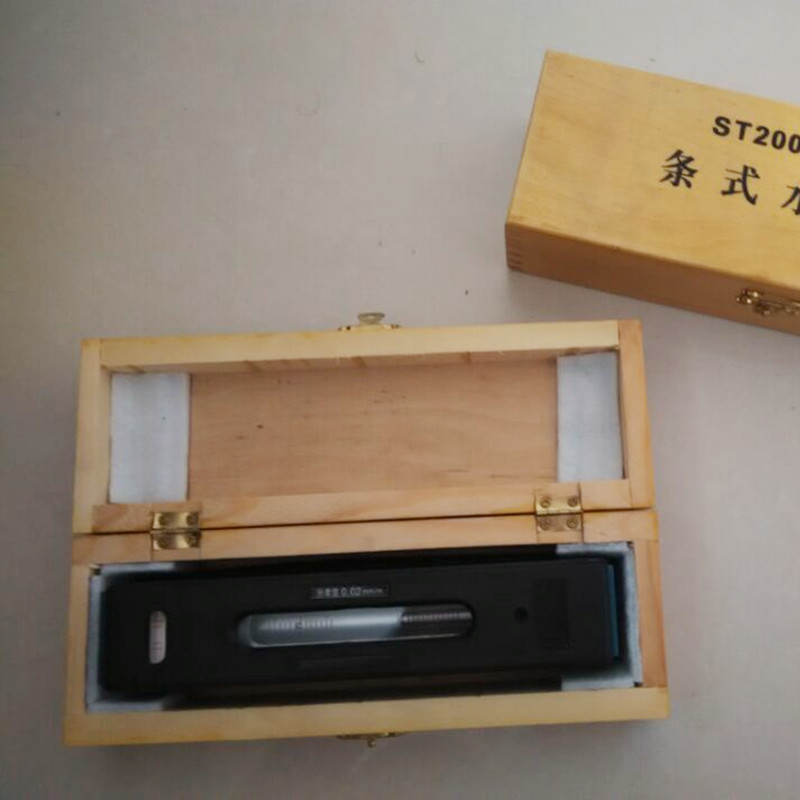
Vis mig et vaterpas til præcise målinger
Vis mig et vaterpas Vaterpas er en uundgåelig værktøj i både byggeri og håndværk, men har også en dy
 English